
We’ve made enhancements to our ELOGs and a few changes to our pricing and subscription tiers. This post explains what’s changing, what’s staying the same, and how the updates affect each tier — including new features now included in Basic.
An update to our pricing — and what it means for you
We build our ELOGs to do one job exceptionally well: Help harvesters reliably meet DFO reporting requirements, even in challenging conditions. Strong offline performance, fast syncing when connectivity returns, autofill that reduces repetition, and software built in-house by a team that works exclusively on fisheries reporting are the reasons harvesters choose our app — and stay with it.
As our product has evolved, we’ve made a few pricing and feature changes to better reflect the value different harvesters seek depending on their preferences. Below is a clear breakdown of what’s changing, what’s new, and when it takes effect.
What’s changing on February 4th at a glance
- Basic Tier: a modest price increase, now aligned with comparable ELOG products, and a new Catch Tracker for tracking seasonal catch or quota
- Premium and Pro Tiers: lower prices than in 2025, with additional features added
- Market Updates: only with Premium and Pro tiers
- New features: rolling out over the coming months, including Harvester Notes and an enhanced Crew Log
Basic Tier: Small increase, added functionality
We’ve updated the price of our Basic Tier to $65. This change aligns our entry-level pricing with that of other ELOG providers and introduces new functionality that many harvesters have requested.
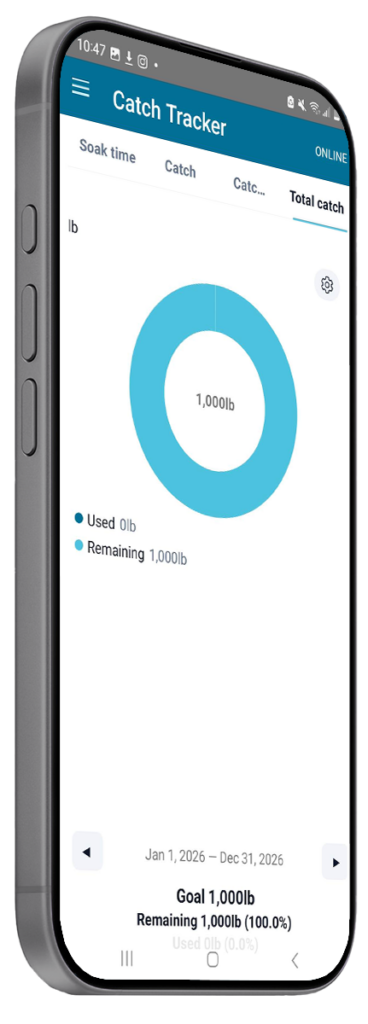
The Basic Tier now includes a Catch Tracker chart allowing you to track your seasonal catch and/or quota directly in the app. This is entirely optional — your ELOG workflow stays the same — but it gives you a simple way to see how your season is progressing without maintaining separate records. Also coming this spring, a Crew Log.
Basic Tier includes:
- Full DFO-compliant ELOGs
- Offline use with reliable submission
- Autofill to reduce repeat entry
- Basic Catch Tracker (seasonal catch/quota tracking)
Pro Tier: Lower price, more insight
We’re reducing the Pro Tier price to $85, a $5 saving, while adding features our users have requested.
Pro will now include our Market Updates, which provide regular, plain-language summaries during the fishing season (typically weekly from March to November, and less frequently in the off-season). It will also unlock additional Catch Tracker charts that give more context around effort and progress.
Pro Tier includes everything in Basic, plus:
- Market Updates
- Premium Catch Tracker charts, including:
- Soak time by effort
- Catch by effort
- Specimen count by effort*
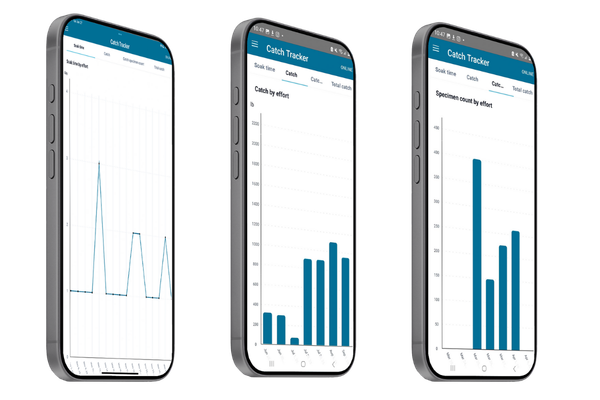
*Specimen count is optional and will only appear if you’ve entered that data.
Premium Tier: Advanced features and early access
The Premium Tier will be $105, a $15 saving, and is designed for harvesters who want deeper tracking and earlier access to new tools as they’re released.
In addition to all the features included in Basic and Premium, Pro will consist of enhanced support and upcoming features to reduce admin work and keep notes directly alongside your fishing data.
Premium Tier will include everything in Basic and Pro, plus:
- Harvester Notes (launching spring 2026)*
- Early access to new charts and analytics as they’re developed
- Enhanced support as needed
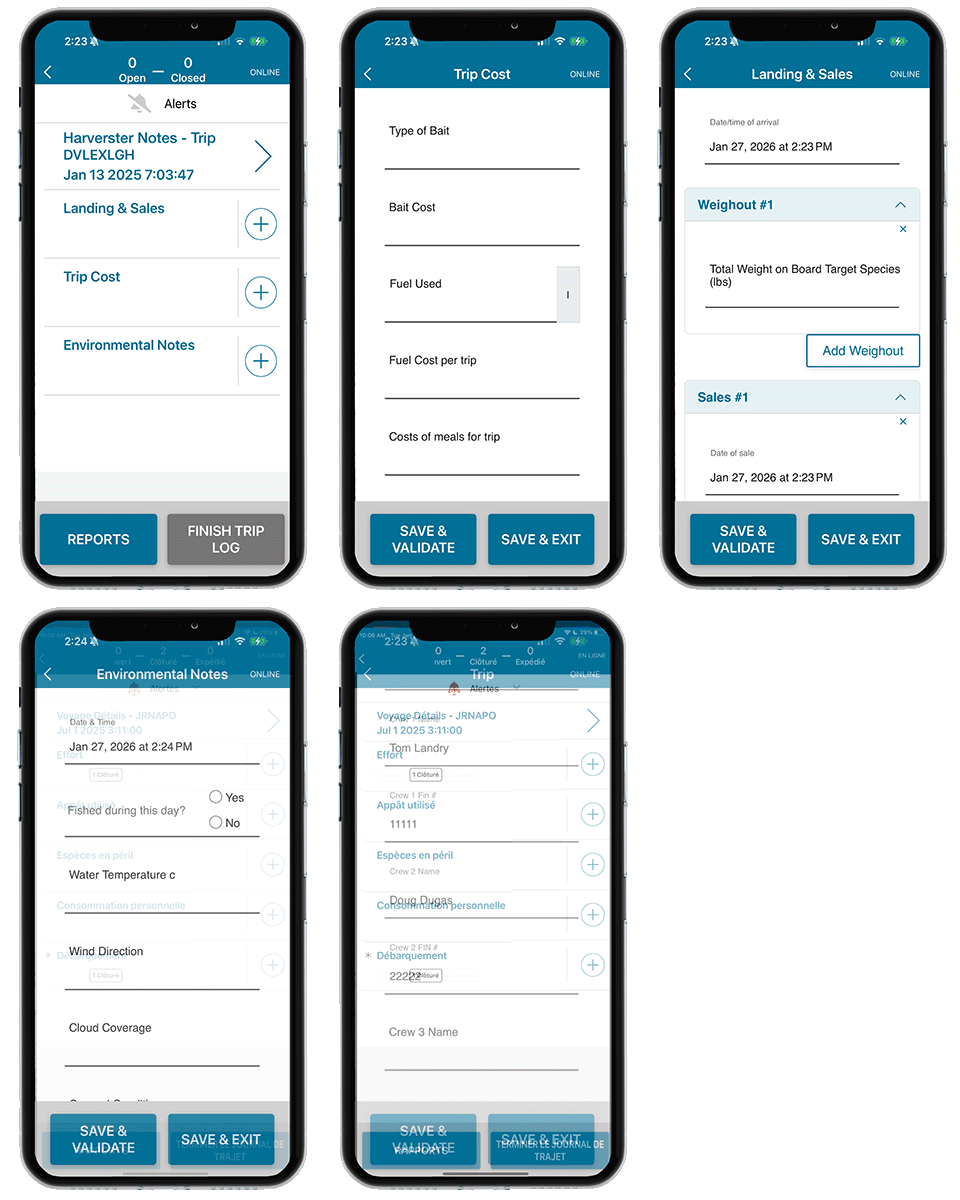
*Product features may changet prior to release
Why these changes
“Most harvesters start with ELOGs because they’re required by DFO,” says Julian Hawkins, Vericatch’s CEO. “But once they’re using them, we consistently see value emerging that goes beyond compliance — better visibility into their season, less duplication, and fewer surprises. That’s what our upper tiers are designed to support, and why we’ve lowered the barrier to help encourage harvesters to try them.”
Timing and next steps
- New pricing takes effect February 4th, 2026: If you’re planning to purchase an ELOG, you still have time to sign up for the Basic Tier at the current $60 price.
- Catch Tracker rollout: Catch Tracker charts and tables will appear in your app the next time it’s updated to version 2.11, which is available now.
- Market Updates access: Existing Market Update subscribers will continue to receive them until mid-February, after which they’ll only be available to Premium and Pro users.
- More features coming: We’ll continue rolling out new features over the next few months, including Harvester Notes and a Crew Log.
We know pricing changes are never welcome news, particularly when your focus is on staying compliant and getting through the season efficiently. Our goal with these updates is to keep the Basic Tier solid, reliable, and fair — while making it easier for harvesters who want more insight to access those tools at a lower cost.
As always, our priority remains the same: dependable ELOGs that work when and where you need them, backed by a team that understands fisheries reporting. If you have questions about which tier makes sense for you, our support team is here to help.